Introduction
Scrolling through a well-organised board of outfit photos, colour palettes, and accessory pairings has become one of the easiest ways to figure out personal style, and sites built around this idea, like pinsfashion.com, have grown popular precisely because they turn scattered inspiration into something usable. This article looks at what fashion pinning is, why it works so well for building a wardrobe, and how to use it effectively without getting lost in an endless scroll.
What Is Fashion Pinning?
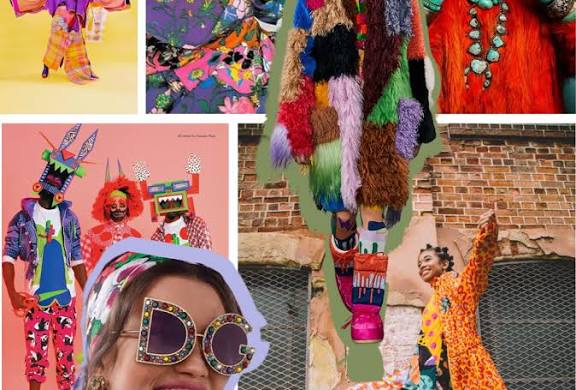
Fashion pinning refers to the practice of saving and organising outfit photos, style ideas, and clothing combinations into visual collections, usually grouped by theme, season, or occasion. Platforms built around this idea, including tools referenced on pinsfashion.com, let users create boards for categories like “work outfits,” “weekend casual,” or “wedding guest looks,” making it far easier to spot patterns in what they are drawn to compared to browsing individual posts one at a time.
Why Visual Boards Work Better Than Scrolling
The reason curated boards work so well for building personal style is simple: seeing multiple outfits side by side reveals patterns that a single photo never can. A person might not notice they consistently save earthy tones and relaxed silhouettes until they see ten pins together on one board. This kind of visual pattern recognition, which pinsfashion.com and similar resources are built around, is far more effective at clarifying taste than trying to describe a style in words.
Building Your First Style Board
Start with a broad board and narrow it down over time. Save anything that catches your eye for two or three weeks without overthinking it, then review the collection and notice repeated colours, fits, or fabric types. From there, break the broad board into smaller, more specific ones — separating, for example, “everyday basics” from “statement pieces” — so it becomes easier to shop with intention rather than impulse.
Turning Inspiration Into an Actual Wardrobe
Pinning is only useful if it eventually translates into real clothing choices. A practical approach is to pick three or four pinned outfits each season and identify the specific pieces needed to recreate them, checking first what is already in the closet before buying anything new. This keeps a wardrobe cohesive rather than filled with one-off pieces that never get worn together, a common trap when people shop directly from single inspiration photos without a bigger plan.
Seasonal and Occasion-Based Boards
Organising boards by season and occasion makes getting dressed noticeably faster. A “capsule wardrobe” board focused on a small set of interchangeable basics can dramatically cut down decision fatigue, while separate boards for events like interviews, weddings, or travel help avoid last-minute outfit stress. Resources like pinsfashion.com often group content this way precisely because occasion-based browsing tends to convert into actual purchases and outfit choices more reliably than generic style feeds.
Colour and Fabric Considerations
Beyond individual outfits, pinning is a useful tool for identifying a personal colour palette and preferred fabric types. Noticing that saved pins repeatedly feature warm neutrals, for instance, can guide future shopping decisions toward pieces that will actually mix and match well, rather than accumulating items that clash with the rest of a wardrobe. Similarly, tracking fabric preferences, such as a consistent pull toward linen or knitwear, helps prioritise comfort alongside appearance.
Avoiding Common Pinning Mistakes
A few habits can undermine the usefulness of style boards. Saving too broadly without ever revisiting or organising pins turns a board into digital clutter rather than a useful reference. Following trends that don’t suit personal lifestyle or budget can also lead to boards full of pieces that are impractical to actually wear. The most effective approach is regularly pruning boards, removing pins that no longer feel relevant, and keeping the collection focused enough to act on.
Budget-Friendly Style Inspiration
One underrated benefit of fashion pinning is that it works at any budget level. A saved outfit doesn’t have to be recreated with the exact designer pieces shown; the goal is usually the overall silhouette, colour combination, or styling idea, which can often be achieved with more affordable alternatives. This makes visual style boards a useful planning tool regardless of how much someone intends to spend on new clothing.
Conclusion
Fashion pinning has become a genuinely useful tool for turning scattered style inspiration into a clear, wearable wardrobe strategy, and resources like pinsfashion.com reflect just how popular this visual approach to personal style has become. By building organised, occasion-specific boards and regularly translating pinned ideas into real pieces, anyone can move from passively admiring outfits online to confidently building a wardrobe that actually reflects their taste.