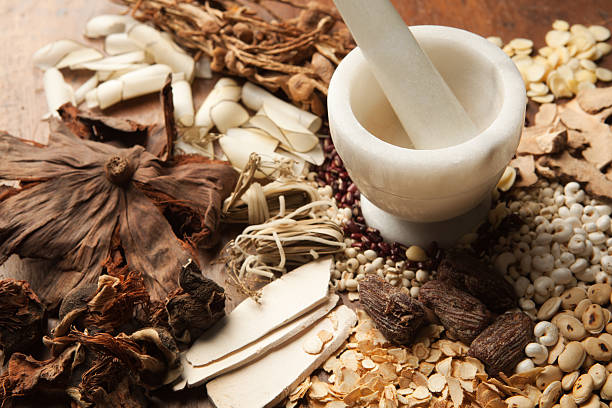
Traditional Chinese herbal medicine has shaped wellness practices for thousands of years as a core component of Traditional Chinese Medicine (TCM). This approach relies primarily on plant-based ingredients, though some traditional formulations also incorporate mineral or animal-derived components. Historically, practitioners have used these herbal combinations to support overall wellness and address a wide range of health concerns.
Today, more residents of Madison, Wisconsin are showing interest in traditional wellness practices, including Chinese herbal medicine. Whether you’re curious about its history or considering it as part of your wellness routine, understanding the basics can help you make informed decisions.
What Is Traditional Chinese Herbal Medicine?
Chinese herbal medicine is built on the foundational principles of Traditional Chinese Medicine. Rather than isolating a single remedy for a single symptom, practitioners often select individual herbs or combine multiple ingredients into customized formulas tailored to the individual.
Central to this practice are traditional concepts like Qi (often described as vital energy), along with the balance of Yin and Yang. These ideas guide how practitioners assess a person’s overall condition before recommending an herbal approach.
Herbal medicine can be prepared in several ways, including:
- Herbal teas and decoctions
- Powders and granules
- Capsules and tablets
- Traditional herbal formulas
Because every person’s needs differ, formulations and recommendations vary significantly based on individual assessment by a trained practitioner.
Common Uses of Chinese Herbal Medicine
Traditional Chinese herbal medicine is used within traditional practice to address a variety of wellness concerns.
Digestive Health: Herbal formulas are traditionally used to address bloating, digestive discomfort, and irregular bowel habits.
Stress and Sleep Support: Certain formulations are traditionally associated with relaxation and healthy sleep routines.
Immune System Support: Some herbs are traditionally used to support general wellness and the body’s natural defenses.
Women’s Wellness: Herbal approaches may traditionally be used for menstrual discomfort and other women’s health concerns.
Energy and General Well-Being: Certain formulations are traditionally used to address fatigue and support overall balance.
It’s worth noting that these traditional uses reflect long-standing practice rather than established clinical proof. Scientific evidence for many applications is still developing, so it’s important to approach these uses with realistic expectations.
Potential Benefits of Traditional Chinese Herbal Medicine
Many people are drawn to Chinese herbal medicine for several reasons:
Personalized Approach: Practitioners often select herbal combinations based on an individual’s symptoms and overall health profile, rather than applying a one-size-fits-all solution.
Holistic Wellness: This approach considers multiple aspects of well-being instead of narrowly focusing on a single symptom.
Longstanding Traditional Practice: Chinese herbal medicine has a long history within traditional healthcare systems, reflecting generations of accumulated practice.
Complementary Care: Some people explore herbal medicine alongside conventional healthcare, ideally under appropriate professional supervision.
Scientific evidence varies considerably between individual herbs and conditions. More research is needed for many traditional applications, which is why working with a qualified practitioner matters.
Safety Considerations Before Using Chinese Herbal Medicine
Before trying traditional Chinese herbal medicine, keep the following in mind:
Possible Medication Interactions: Certain herbs may interact with prescription medicines, over-the-counter drugs, or other supplements.
Product Quality: Poor-quality products may contain contaminants, heavy metals, pesticides, or incorrectly identified ingredients, so sourcing matters.
Individual Health Conditions: People with existing medical conditions should seek medical advice before starting any herbal treatment.
Pregnancy and Breastfeeding: Herbal products should only be considered after consulting an appropriate healthcare professional.
Professional Guidance: A qualified practitioner should review your medical history, current medications, allergies, and health goals before recommending any formula.
Herbal medicine should complement, not replace, necessary conventional medical treatment. Anyone managing a chronic condition or taking prescription medication should talk with their primary care provider before adding herbal remedies to their routine.
How to Choose a Qualified Chinese Herbal Medicine Practitioner in Madison
Finding the right practitioner makes a meaningful difference in your experience. Consider the following when evaluating your options:
- Look for appropriate education, professional credentials, and practical experience in Chinese herbal medicine.
- Ask about the sourcing, quality, ingredients, and preparation of herbal products.
- Ensure the practitioner reviews your medical history and current medications.
- Discuss your treatment goals and understand potential risks before beginning.
Madison residents considering complementary therapies should also keep their primary healthcare providers informed, ensuring coordinated and safe care across all treatments.
Exploring Traditional Herbal Wellness Responsibly
Traditional Chinese herbal medicine has long played a role in holistic wellness, offering a personalized approach rooted in centuries of practice. Still, individual herbs and formulations carry different potential effects and safety profiles, so informed decisions matter.
If you’re interested in exploring traditional Chinese herbal medicine in Madison, working with a qualified, experienced practitioner is the best place to start. Acupuncture Herbal MD can help guide you through a thoughtful, individualized approach to herbal wellness.