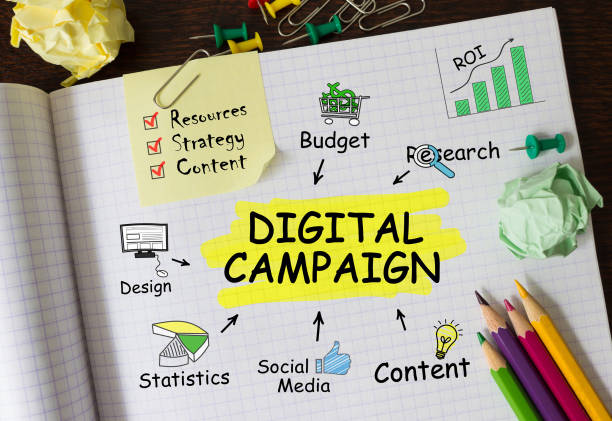
Political communication has increasingly expanded beyond traditional meetings, print publications, and television. Websites, search engines, social media platforms, and digital content now provide additional ways for political organizations to publish information and communicate with the public. With this shift, having a structured and responsible digital presence has become an important part of modern political communication.
A well-planned online strategy can help organizations organize public information, publish announcements, explain policies, share event details, and make official information easier to access. At the same time, digital communication requires attention to accuracy, transparency, privacy, platform rules, and applicable election regulations.
Creating an Informative Political Website
A website can act as a central information hub for a political organization, candidate, or public representative. Important sections may include biographies, policy documents, public statements, press releases, event information, contact details, and frequently asked questions.
Website structure matters because visitors should be able to find information without unnecessary difficulty. Mobile responsiveness, page speed, accessibility, security, and clear navigation can all contribute to a better user experience.
A Political Marketing Agency can assist with website planning, content organization, design coordination, and ongoing digital maintenance while keeping the focus on clear public communication.
Improving Search Visibility Through SEO
Search engines are often used to find information about candidates, political organizations, public issues, and election-related announcements. Search engine optimization can help make relevant pages easier for search engines to discover, understand, and index.
An SEO agency can work on areas such as keyword research, technical optimization, internal linking, metadata, content structure, and website performance. For political websites, the quality and accuracy of published information should remain more important than simply attracting search traffic.
For example, an organization can create dedicated pages explaining its policies, public initiatives, frequently asked questions, or official announcements. Clear headings and well-organized content can make these resources easier for visitors to navigate.
Using Content to Explain Public Information
Digital content can provide a useful format for explaining complex subjects. Blogs, articles, videos, FAQs, infographics, and downloadable documents can help organizations present information in an organized way.
Content calendars can also help maintain consistency across websites and social platforms. Instead of publishing disconnected updates, organizations can organize content around announcements, public information, events, documents, and other relevant topics.
Clear language is particularly useful when discussing complicated policy or administrative subjects. Providing links to official documents and primary sources can also help readers understand the information being presented.
Managing Social Media Responsibly
Social media allows political organizations to publish updates quickly and interact with audiences through multiple formats. Posts may include announcements, speeches, event information, interviews, policy documents, or links to official webpages.
However, political communication on digital platforms is subject to specific requirements. In India, the Election Commission of India states that its Model Code of Conduct and related instructions apply to internet and social media content posted by candidates and political parties during elections.
The ECI has also issued instructions concerning pre-certification of political advertisements on electronic media, including social media websites, and the accounting of campaign expenditure associated with online advertising.
Measuring Digital Performance
Analytics can help organizations understand how people interact with publicly available information. Website data may show page visits, traffic sources, engagement, and frequently viewed pages. Social platforms can provide additional information about content reach and interactions.
A Digital marketing agency can help organize these measurements into regular reports. This can support improvements in website usability, content organization, and communication processes without making assumptions about individual visitors’ political preferences.
Maintaining Accuracy and Transparency
Political digital communication requires careful review before information is published. Content teams can establish processes for checking facts, reviewing claims, confirming sources, and maintaining consistent information across different channels.
This becomes especially important when using digital advertising, social media, or AI-assisted content tools. The ECI has emphasized responsible use of digital platforms and action against misleading or unlawful AI-generated or manipulated content during elections.
A Political Marketing Agency, SEO agency, or Digital marketing agency can therefore contribute technical and communication expertise while organizations remain responsible for reviewing their published material and complying with applicable laws and platform requirements.
Building a Sustainable Digital Communication System
A strong digital presence is not limited to election periods. Political organizations can use websites and online channels throughout the year to publish public information, maintain official records, communicate announcements, and provide accessible resources.
Combining website development, SEO, content management, analytics, and social media can create an organized digital communication system. When these activities are supported by accurate information, transparent processes, and appropriate compliance reviews, digital platforms can serve as practical channels for making public information easier to find and understand.