Introduction
Among wild edible mushrooms, Hen of the Woods, also known by its Japanese name maitake, stands out for its distinctive ruffled, feathery appearance and rich, earthy flavour. Foraging and cooking resources such as henof.com have built dedicated audiences around this particular mushroom, given how prized it is among both foragers and chefs. This article covers how to identify Hen of the Woods safely, its nutritional profile, and how to prepare it well in the kitchen.
What Is Hen of the Woods?
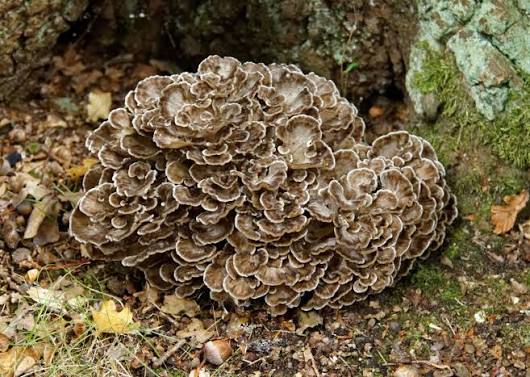
Hen of the Woods, scientifically known as Grifola frondosa, is a polypore mushroom that grows in large, layered clusters at the base of trees, most commonly oak trees, resembling the ruffled feathers of a hen, which is where its common name comes from. It typically appears in late summer through autumn in temperate forests across North America, Europe, and Asia, often growing back at the same spot on the same tree year after year, a trait that experienced foragers frequently rely on to relocate productive patches in future seasons.
Identifying Hen of the Woods Safely
Correct identification is essential with any wild mushroom foraging, and Hen of the Woods has several distinctive features that make it relatively identifiable compared to some other wild fungi, though caution and, ideally, guidance from an experienced forager are still strongly recommended for anyone new to mushroom hunting. Key identifying features include its clustered, overlapping fan-shaped caps in shades of grey to brown, a white pore surface underneath rather than gills, and its characteristic growth at the base of hardwood trees rather than on open ground.
Where and When to Find It
Hen of the Woods most commonly grows at the base of mature oak trees, though it can occasionally be found near other hardwoods as well. Its fruiting season typically runs from late summer into autumn, with timing varying somewhat depending on regional climate and rainfall patterns. Because the mushroom often regrows at the same tree base in subsequent years, foragers who find a productive spot frequently mark or remember the location to check again in future seasons.
Nutritional Benefits
Hen of the Woods is valued not just for its flavour but also for its nutritional profile. It is a good source of dietary fibre, along with various B vitamins, and contains beta-glucans, a type of polysaccharide that has been studied for potential immune-supporting properties, though as with many mushroom-related health claims, more research is still needed to fully confirm the extent of these effects in humans. It is also naturally low in calories and fat, making it a popular addition to health-focused cooking.
Cooking With Hen of the Woods
Hen of the Woods has a robust, earthy, slightly peppery flavour and a satisfying, somewhat meaty texture that holds up well to a variety of cooking methods. Simply sautéing it in butter or oil with garlic brings out its natural flavour effectively, while roasting whole clusters at a high temperature produces crispy edges alongside a tender interior. It also works well in soups, risottos, and stir-fries, where its texture adds substance alongside other ingredients.
Preparation Tips
Before cooking, Hen of the Woods should be cleaned carefully, as its layered structure can trap dirt and debris more easily than smoother mushroom varieties. Gently brushing off visible debris and rinsing briefly, followed by thorough drying, generally works better than extended soaking, which can cause the mushroom to absorb excess water and become soggy during cooking. Tearing the clusters into smaller, manageable pieces by hand, rather than cutting with a knife, is a common technique among cooks who work with this mushroom regularly.
Buying vs Foraging
For those not confident in foraging, Hen of the Woods is increasingly available at specialty grocers and farmers markets, particularly in regions where wild mushroom cultivation has grown in popularity. Cultivated versions offer a reliable, safe alternative to foraging for those who want to enjoy the mushroom’s flavour and texture without the identification risks that come with wild harvesting.
Conclusion
Hen of the Woods stands out among wild mushrooms for its distinctive appearance, robust flavour, and genuine nutritional value, making it a favourite among foragers and cooks alike. Resources like henof.com that focus specifically on this mushroom reflect the dedicated following it has built, whether the goal is learning to forage it safely or simply finding the best way to cook it at home.