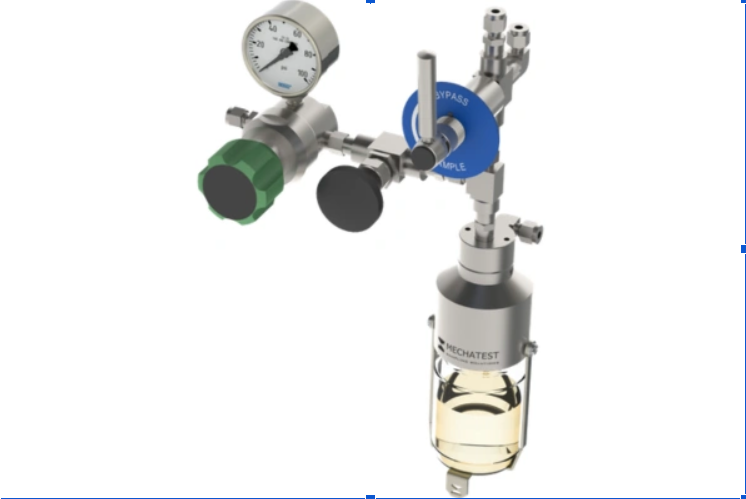
Process decisions are only as good as the data behind them, and a poorly designed sampling point can quietly undermine that data long before anyone traces a problem back to its source. Getting sampling system design right protects the accuracy of everything that depends on it, from quality control to regulatory reporting. The quality of collected data depends on more than the analytical equipment used at the end of the process. Extraction conditions, sample transport and preparation can all influence what reaches the analyser. Considering these factors together helps ensure that the final measurement reflects the process rather than an artefact of poor sampling arrangements.
Why Sampling Accuracy Is Easy to Overlook
Sampling points are often treated as a minor addition to a larger process design, added late without the same scrutiny given to primary process equipment. This is a mistake, since an unrepresentative sample can lead to decisions based on data that does not actually reflect what is happening in the main process stream. The problem may remain unnoticed because the sampling equipment itself can appear to function normally. A sample may be successfully collected and analysed while still failing to represent the actual process conditions. This makes location, extraction method and transport conditions important considerations from the earliest design stages.
Core Design Elements of a Reliable Sampling System
A reliable arrangement needs to consider the complete route from the process stream to the point of analysis. Each component along that route can introduce changes to the sample if it is incorrectly specified or poorly positioned, making system design an integrated engineering task rather than a simple connection detail.
Sample Point Location
Positioning matters considerably. A sample drawn from a poorly mixed section of pipe, or too close to a disturbance such as a bend or valve, may not represent the bulk flow accurately regardless of how well the rest of the system is designed. The surrounding flow profile should therefore be considered when selecting the extraction point. Differences in concentration, temperature or phase distribution can occur within a pipeline, and a poorly positioned point may capture only one portion of that variation rather than a representative sample of the process stream.
Transport Line Considerations
The path a sample takes from extraction point to analysis point also affects accuracy, particularly for applications sensitive to temperature change, pressure drop or extended residence time, all of which can alter sample composition before it is ever analysed. Transport line length and configuration should be assessed according to the properties of the sampled fluid. Insulation, heat tracing or controlled pressure reduction may be necessary in some applications, while others may require arrangements that minimise dead volume and reduce the time between extraction and analysis.
Common Design Pitfalls
- Sample points located too close to flow disturbances
- Transport lines that allow significant temperature or pressure change
- Inadequate flushing arrangements before sample extraction
- Insufficient isolation for safe maintenance access
These issues can affect both sample quality and operator safety. Flushing and isolation arrangements should be designed around the actual process conditions, while access to valves and other components should allow routine inspection and maintenance without creating unnecessary exposure to process hazards.
Building Accuracy Into the Design From the Start
A well-designed sampling system accounts for representative extraction, minimal transport delay and proper isolation for maintenance, treating these as core design requirements rather than afterthoughts added once the main process layout is already fixed. Early design review also allows sampling requirements to be coordinated with the wider piping and instrumentation layout. This can help avoid awkward routing, excessive transport distances or restricted maintenance access. Considering these details before installation generally provides greater flexibility than attempting to correct them after the process layout is complete.
Working With Oil and Gas Equipment Suppliers on Sampling Design
Because sampling accuracy depends on details that are easy to overlook without specific experience, working with oil and gas equipment suppliers who understand these design principles in depth helps avoid a system that looks complete on paper but delivers unreliable data in practice. Technical input from oil and gas equipment suppliers can also help address practical considerations such as material compatibility, pressure ratings, isolation requirements and sample conditioning. Their involvement during the design stage can provide useful guidance on how individual components work together within the complete sampling arrangement.
A Practical Design Checklist
- Confirm sample point location represents bulk flow conditions
- Review transport line length and insulation requirements
- Verify flushing and purging arrangements before extraction
- Check isolation valves allow safe maintenance access
The checklist can also be used during design reviews and before commissioning to confirm that important details have not been overlooked. Documentation should clearly identify sample locations, line routing, isolation points and relevant operating requirements so that maintenance teams have a reliable reference after installation.
Additional Considerations for Long-Term Accuracy
Long-term sampling performance can change as process conditions, equipment condition or operating practices change. Periodic review of sample quality, transport arrangements and component condition can therefore help identify issues before they affect the reliability of process data. Maintenance activities should also consider components that influence sample integrity, including valves, fittings, tubing and conditioning equipment. Replacing or servicing these items according to their actual service requirements helps maintain consistent sampling performance throughout the operating life of the installation.
Conclusion
Sampling accuracy depends heavily on design decisions made early, including point location, transport line design and proper isolation, all of which are easy to underestimate until inaccurate data starts affecting process decisions. Careful attention at the design stage avoids this entirely. NND OIL & GAS designs sampling systems built around genuine representative accuracy rather than convenience alone.