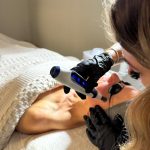
A clear, vibrant complexion relies heavily on efficient cellular turnover and clear pores. When dead surface cells, oxidized sebum, and atmospheric debris accumulate on the epidermis, light scatters unevenly across the skin, giving it a dull, tired appearance. Traditional facials provide topical cleansing, but they often lack the structural impact required to tackle deep congestion, enlarged pores, or stubborn textural irregularities.
The carbon laser facial has emerged as a preferred solution for individuals seeking clinical-grade skin rejuvenation without lengthy recovery periods. By pairing thermal laser energy with liquid carbon, this procedure purifies the skin at a microscopic level while stimulating foundational collagen synthesis. Understanding the mechanism behind this treatment helps clarify why it is widely regarded as an effective choice for achieving sustained skin radiance.
The Science Behind the Carbon Laser Facial
The carbon laser facial, often referred to as a carbon laser peel or “Hollywood peel,” relies on a two-part process that combines physical absorption with photo-thermal energy. The primary driver of the treatment is medical-grade liquid carbon, which possesses exceptional binding capabilities.
When applied to the skin, the carbon solution penetrates deep into the pores, attaching itself to excess sebum, dead skin cells, micro-pollutants, and bacteria. Once the carbon layer sets, a specialized Q-switched laser is passed over the targeted area. The laser energy is selectively absorbed by the dark carbon particles, causing a rapid thermal reaction.
| Benefit Category | Action | Result |
|---|---|---|
| Deep Cleansing | Clears trapped sebum and debris | Restores epidermal clarity |
| Pore Refining | Tightens follicle walls | Creates a smoother skin texture |
| Oil Control | Normalizes sebum output | Helps prevent persistent congestion |
| Collagen Renewal | Triggers collagen remodelling | May soften fine lines and even skin tone |
As the laser light interacts with the carbon, it instantly vaporizes the liquid mask along with the bound impurities. This implosion creates a mild photo-acoustic shockwave that clears debris from clogged follicles and exfoliates the uppermost layers of the epidermis. Concurrently, the thermal energy generated by the laser penetrates into the deeper dermal layers, stimulating fibroblasts to initiate natural collagen and elastin remodelling.
Key Benefits for Complexion and Texture
The dual-action nature of this treatment provides both immediate cosmetic improvements and potential progressive dermal structural benefits.
1. Deep Cleansing and Pore Refinement
Traditional surface cleansers cannot always reach the depths of congested pore channels. Because liquid carbon absorbs deep into the follicular openings, the laser vaporisation effectively flushes out persistent debris, blackheads, and micro-particles. This clearing action reduces the physical stretching of the pore walls, helping enlarged pores appear visibly tighter and smaller.
2. Acne Management and Oil Regulation
Excessive sebum production creates an environment where acne-causing bacteria thrive. The thermal energy delivered during a carbon treatment may help reduce oiliness by affecting sebaceous gland activity. Additionally, the heat may reduce bacteria within the pores and help calm localised inflammation, making it a potential option for managing certain breakouts and congestion. Results vary, and the treatment is not a replacement for medical acne care when that is needed.
3. Exfoliation and Immediate Radiance
Accumulated dead skin cells dull the skin’s natural reflectiveness. By blasting away the carbon mask, the laser removes some surface debris and dead skin cells, revealing fresher-looking skin underneath. This exfoliation can impart a polished glow, which is why the treatment is frequently utilised as a pre-event skin refresher.
4. Tone Normalisation and Collagen Stimulation
Thermal stimulation reaches beyond the surface into the dermis, where it may encourage collagen remodelling. Over a series of sessions, this process may help soften the appearance of minor fine lines, improve the appearance of some superficial pigmentation, and support overall skin texture. The degree of improvement depends on the laser settings, skin type, treatment frequency, and the concern being addressed.
Comparing Facial Rejuvenation Modalities
Choosing the right clinical facial depends on specific skin concerns, tolerance for downtime, and desired outcomes. Below is a comparison of how carbon laser treatments measure up against other standard skin rejuvenation options.
| Feature / Metric | Carbon Laser Facial | Traditional Chemical Peel | Microdermabrasion | Hydrating Hydro-Facial |
|---|---|---|---|---|
| Primary Mechanism | Laser energy combined with liquid carbon | Chemical exfoliation using acids | Mechanical abrasion using crystals or a diamond tip | Fluid-based extraction and infusion |
| Target Depth | Primarily epidermis; effects depend on the laser protocol | Epidermis to deeper layers, depending on peel strength | Mainly the outermost skin layer | Primarily surface cleansing and hydration |
| Downtime | Often minimal, although redness may occur | Varies; deeper peels can require several days of recovery | Usually minimal, with possible temporary redness | Usually minimal |
| Pore Congestion Removal | May help reduce surface debris and congestion | Depends on the acid and peel strength | Helps remove surface dead skin cells | Helps extract surface debris |
| Collagen Stimulation | Potential effects depend on treatment parameters | Varies with peel depth and formulation | Generally limited | Not a primary treatment objective |
| Suitable Skin Types | Depends on skin tone, condition, and laser settings | Depends on the acid, concentration, and skin condition | Depends on skin sensitivity and active acne | Often adaptable to different skin types |
What to Expect During a Treatment Session
Understanding the step-by-step clinical progression can help you prepare for a comfortable experience. A standard appointment typically lasts between 30 and 45 minutes, although the exact duration varies by provider and treatment area.
-
Preparation and Cleansing: The skin is thoroughly cleansed to remove surface oil, cosmetics, and environmental residues.
-
Carbon Layer Application: A thin, uniform layer of dark liquid carbon lotion is applied over the treatment area and allowed to sit for several minutes to ensure adequate contact with the skin and pores.
-
Thermal Conditioning: In some protocols, a low-energy laser pass gently warms the skin to activate the carbon and prepare the treatment area.
-
Laser Vaporisation: The practitioner adjusts the laser settings to an appropriate short-pulsed mode. As the laser glides across the skin, a soft snapping sound may be heard as the carbon particles vaporise, carrying away some surface debris.
-
Post-Treatment Care: Once the carbon is fully removed, the skin is cleansed again, followed by the application of a soothing serum, lightweight moisturiser, and broad-spectrum sunscreen.
During the session, many individuals report feeling a mild warming sensation or a light snapping feeling on the skin surface. Topical numbing creams are generally unnecessary, although comfort levels vary depending on the device, settings, and individual sensitivity.
Integrating Carbon Laser Treatments into a Skincare Routine
While a single session may produce an immediate improvement in skin luminosity, longer-term changes in texture and congestion may require a structured treatment plan.
For concerns such as persistent acne, excessive oil production, or uneven skin texture, an initial series of three to six sessions scheduled two to four weeks apart may be suggested by some providers. However, the appropriate number and frequency of treatments depend on the individual’s skin condition, treatment response, and the practitioner’s assessment. Maintenance sessions may be considered later if they are appropriate for the skin’s needs.
For those evaluating local providers or specialised clinical protocols, reviewing targeted medical aesthetics resources such as carbon laser facial guidance can help clarify treatment expectations and post-procedure protocols.
Post-Treatment Care and Protection
Maintaining results and supporting skin recovery requires consistent, gentle post-treatment care.
1. Prioritise Sun Protection
Recently treated skin may be more sensitive to ultraviolet radiation. Apply a broad-spectrum sunscreen with SPF 30 or higher daily, follow your provider’s sun-care instructions, and limit excessive sun exposure.
2. Maintain Hydration
Use a gentle, non-comedogenic moisturiser to support the skin’s moisture barrier and minimise dryness or tightness after treatment.
3. Avoid Active Ingredients Briefly
Refrain from using aggressive physical scrubs, retinoids, alpha-hydroxy acids (AHAs), or beta-hydroxy acids (BHAs) for the period recommended by your provider. A 48- to 72-hour pause may be appropriate for some treatments, but the exact duration depends on the procedure and your skin’s response.
4. Keep Cleansing Gentle
Wash the face with lukewarm water and a mild, fragrance-free cleanser. Follow your provider’s advice about avoiding hot water, saunas, and intense physical workouts immediately after treatment, particularly if redness or irritation develops.
Conclusion
By combining carbon-based cleansing with laser energy, carbon laser facials may help improve the appearance of congested pores, excess oil, uneven texture, and dull skin. The procedure is often associated with limited downtime, but outcomes vary depending on the individual’s skin, treatment settings, and practitioner expertise.
Before booking a session, consult a qualified provider who can assess your skin type, review your medical history, explain potential risks, and determine whether the treatment is suitable for your concerns. Combining an appropriate treatment plan with gentle skincare and daily sun protection can help maintain a clearer, smoother-looking complexion over time.