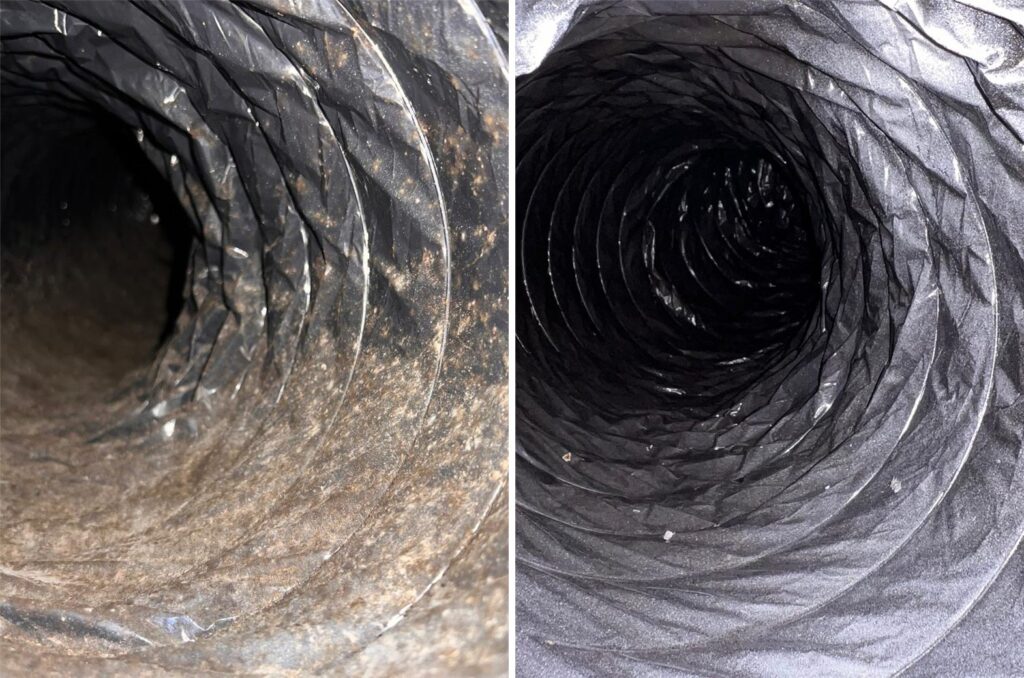
Operating central heating, ventilation, and air conditioning systems across the Dallas-Fort Worth metroplex presents distinct environmental and structural challenges. From high seasonal pollen surges and windblown topsoil to heavy summer humidity, forced-air networks continuously draw in airborne particulates. Over months and years of continuous operation, these contaminants build up along internal trunk lines, blower wheels, and plenum boxes. Examining real-world service calls throughout North Texas offers valuable insights into how different residential scenarios impact system performance, indoor air hygiene, and mechanical reliability.
Field assessments across various neighborhoods reveal that duct issues are rarely identical. Architectural differences, home age, remodeling history, and system maintenance routines all shape the internal environment of a building’s ventilation system. Reviewing practical case observations helps property owners identify early warning signs, avoid common ventilation pitfalls, and maintain clean indoor airflow.
Scenario 1: Post-Renovation Debris in Mature Suburbs
Home improvement projects such as kitchen remodels, hardwood floor refinishing, and drywall replacement generate immense volumes of fine particulate matter. A frequent observation during recent service calls in established residential areas involves recently renovated homes where central climate control units were operated while work was underway.
| Construction Material | Migration Pathway | Impact on System & Air Quality |
| Drywall Dust & Silica | Drawn into unsealed return grilles during wall sanding | Forms an abrasive white coating over blower fans and filter slots. |
| Sawdust & Wood Fibers | Settles in low-velocity floor registers and branch lines | Creates physical blockages that restrict supply air velocity. |
| Paint & Varnish Volatiles | Binds with existing dust layers along duct walls | Traps lingering chemical odors that recirculate upon HVAC activation. |
Even when contractor plastic sheeting covers doorways, return air vents draw fine airborne dust straight into main trunk lines if the thermostat remains active during construction. Standard furnace filters quickly clog, forcing fine silica powder past cabinet seals and coating the evaporator coil. The primary takeaway for homeowners planning renovations is to seal off all return and supply vents completely during dusty work phases and keep climate systems turned off until surface dust is fully cleared.
Scenario 2: Multi-System Airflow Imbalances in Expansive Layouts
Multi-story residences and larger floor plans across North Texas often rely on two or more independent HVAC units to manage distinct thermal zones. Recent multi-system maintenance calls highlight how uneven static pressure across dual return channels leads to comfort issues and elevated energy bills.
| System Metric | Unserviced Multi-System Setup | Balanced & Serviced System Setup |
| Static Pressure Balance | High resistance in neglected upper-floor return runs | Equalized suction pressure across all return trunks |
| Blower Amperage Draw | Elevated electrical draw as motors struggle against blockage | Baseline power consumption matching manufacturer specs |
| Temperature Variance | 5 to 8 degree temperature splits between zones | Consistent, balanced thermal comfort across all levels |
| Airflow Distribution | Reduced cubic-feet-per-minute output at distant registers | Full design airflow restored at every supply register |
In multi-system properties, upper-floor units typically accumulate dust at a faster rate due to rising heat and floating textile fibers. When upper return ducts become restricted, the secondary unit runs extended cycles to maintain set temperatures, leading to accelerated mechanical wear. Inspecting both systems simultaneously ensures that static pressure remains balanced across all zones.
Scenario 3: Moisture Contamination and HVAC Leak Recovery
The intense summer heat in North Texas forces air conditioning units to run nearly continuously, pulling massive amounts of humidity out of indoor air. When condensate drain lines clog or evaporator coils freeze and thaw, standing water often overflows into surrounding supply plenums and return boxes.
Recent service calls addressing post-leak recovery demonstrate that moisture sitting inside duct channels rapidly transforms dry dust accumulations into dense, clinging mats. If left unaddressed, damp organic matter inside uninsulated metal or flex lines fosters persistent musty odors and biological growth.
Key Steps for Post-Leak Ventilation Recovery
- Immediate Moisture Elimination: Clear the primary condensate line and verify that secondary drain pans are completely dry.
- Physical Debris Extraction: Utilize negative-pressure collection equipment combined with rotary brushing tools to pull wet dust mats out of the trunk lines.
- Targeted Antimicrobial Treatment: Apply EPA-registered sanitizing solutions throughout the affected duct paths to neutralize lingering spores and organic odors.
- Airflow Verification: Reviewing detailed documentation and optical records, such as those provided when homeowners see Warrior’s recent duct cleaning projects, confirms that internal trunk walls are completely clear of moisture residue and foreign buildup.
Core Maintenance Takeaways for Metroplex Residents
Analyzing field findings across various residential properties highlights several clear strategies for maintaining healthy, efficient forced-air systems:
- Change Return Filters on Schedule: Replace standard pleated filters every 30 to 60 days during peak summer cooling and winter heating seasons to prevent bypass dust.
- Isolate Vents During Remodeling: Never run central air systems during active sanding, painting, or flooring installations.
- Monitor System Sound and Air Output: Sudden increases in blower noise or drops in register airflow signal rising static pressure and internal blockages.
- Address Condensate Issues Immediately: Water standing around air handler bases or dripping from secondary attic lines requires prompt attention to protect ductwork from moisture damage.
- Schedule Full-System Care: Ensure that cleaning addresses the entire air path, including return chases, blower wheels, evaporator coils, and supply branches.
Preserving Comfort and Equipment Longevity
The condition of a home’s air distribution system directly impacts indoor comfort, monthly utility expenses, and overall mechanical health. Real-world experience across the DFW metroplex shows that proactive attention to ventilation hygiene prevents minor dust accumulations from turning into costly mechanical repairs. By recognizing environmental risk factors, protecting systems during home renovations, and scheduling regular mechanical clearing, homeowners can ensure their climate control equipment delivers clean, efficient air year-round