Introduction
Banner advertising remains one of the oldest and most widely used forms of online advertising, and despite the rise of newer ad formats, display ad networks continue to play a significant role in how websites monetise traffic and how advertisers reach broad online audiences. Resources like banneradsites.com focus on helping both publishers and advertisers understand how this space works. This article covers the basics of banner advertising, common formats, and key considerations for anyone getting started on either side of the equation.
What Is Banner Advertising?
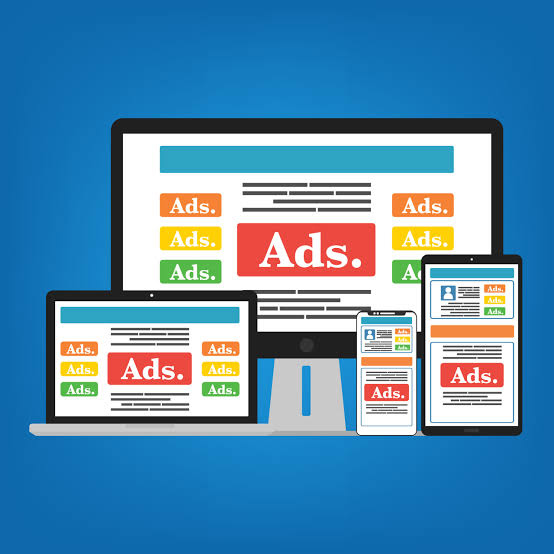
Banner advertising refers to graphical or, increasingly, interactive ads placed within a webpage, typically in designated ad slots along the top, sides, or within the content of a site. These ads are usually sold and served through ad networks, which connect publishers who have ad space available with advertisers looking to place ads across a broad range of websites, rather than requiring individual direct deals between every publisher and advertiser.
Common Banner Ad Formats and Sizes
The online advertising industry has settled on a set of standardised banner ad sizes over the years, which helps ensure compatibility across different ad networks and publisher sites. Common formats include the leaderboard banner, typically placed at the top of a page, the medium rectangle, often embedded within content, and the skyscraper format, a taller, narrower ad typically placed along a page’s sidebar. Standardisation around these common formats, which resources like banneradsites.com often reference, makes it significantly easier for advertisers to create a single set of creative assets that work across many different publisher sites.
How Display Ad Networks Work
Display ad networks act as intermediaries between publishers and advertisers, aggregating available ad inventory from many websites and matching it with advertiser demand, often through real-time bidding systems that determine which ad is shown to a specific visitor based on factors like targeting criteria and bid price. This system allows even smaller publishers to access a broad pool of potential advertisers without needing to negotiate individual deals, while giving advertisers access to a wide range of ad placements across many sites through a single network relationship.
Monetisation Considerations for Publishers
For website publishers, choosing the right ad network and ad placement strategy involves balancing potential revenue against user experience considerations, since excessive or poorly placed banner ads can meaningfully hurt site engagement and repeat visitation. Metrics like page RPM (revenue per thousand pageviews) and fill rate (the percentage of ad requests that are successfully filled with an ad) are commonly used to evaluate how effectively a given ad network is monetising a site’s traffic compared to alternative options.
Targeting and Ad Relevance
Modern display advertising typically relies on some combination of contextual targeting, matching ads to the content of the page they appear on, and audience targeting, using data about a visitor’s browsing behaviour or demographics to serve more relevant ads. The balance between these targeting approaches has shifted somewhat in recent years due to increasing privacy regulations and the gradual phase-out of some tracking technologies, pushing more of the industry back toward contextual targeting methods that don’t rely as heavily on individual user tracking data.
Measuring Banner Ad Performance
Advertisers typically evaluate banner ad performance using metrics like click-through rate (CTR), which measures how often an ad is clicked relative to how often it’s shown, along with broader conversion tracking to assess whether ad clicks actually translate into meaningful business outcomes like sales or sign-ups. Banner ads generally see lower click-through rates than some other digital ad formats, which is part of why many advertisers use them more for brand awareness and reach objectives rather than expecting strong direct-response performance from banner placements alone.
Ad Blocking and Industry Challenges
The banner advertising industry continues to contend with widespread ad-blocking software usage, which prevents a meaningful share of potential ad impressions from being delivered or seen at all. This has pushed some publishers and ad networks toward less intrusive ad formats and improved ad quality standards, aiming to reduce the user frustration that often drives people to install ad-blocking software in the first place.
Conclusion
Banner advertising and display ad networks remain a foundational part of the online advertising ecosystem, connecting publishers with advertisers through standardised formats and increasingly sophisticated targeting systems. Resources like banneradsites.com that break down how this system works can help both new publishers looking to monetise a site and advertisers exploring display advertising understand the key mechanics and considerations involved before getting started.